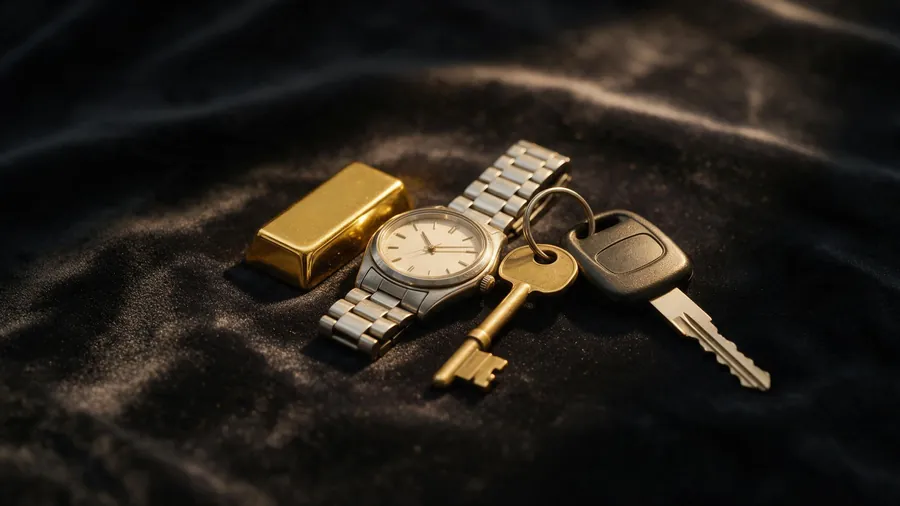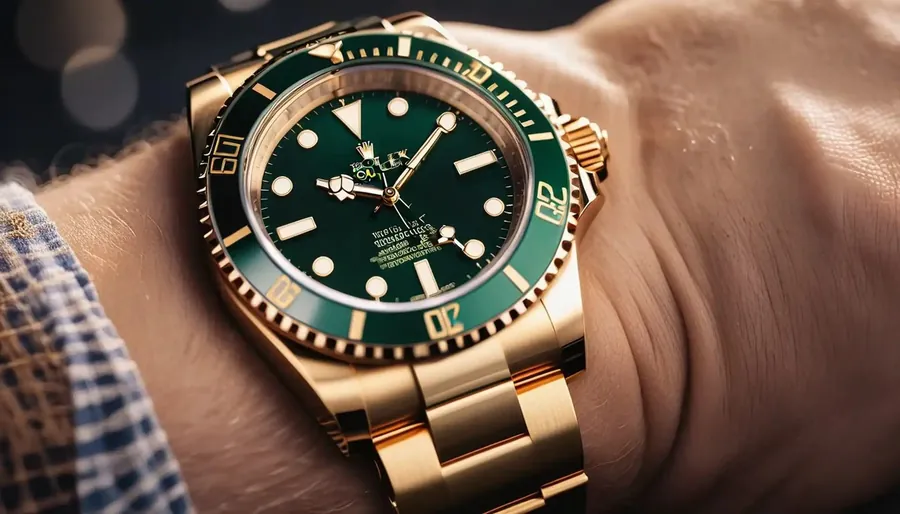

The watch market has lost a third since 2022 and yet some models still have waiting lists. Which factors determine a watch’s value, how to judge condition and papers and what makes a fair estimate.
In short
- Determining value: brand, reference, condition, box and papers, service history, originality.
- A full set (box, papers, receipt) brings 10 to 20 percent more than the bare watch.
- Polished cases, replaced dials and replacement bracelets reduce value.
- Selling: dealer purchase is fast with a 15 to 25 percent discount, consignment slower with a better price.
The market since 2020
Between 2020 and spring 2022 secondary market prices of sought-after steel sports watches doubled, driven by waiting lists, crypto gains and Instagram. Since then they have fallen 30 to 40 percent and stabilised in 2025. Whoever bought in 2022 sits on a loss, whoever bought in 2019 on a gain. Watches are not a savings book but an enthusiast market with cycles.
What determines the value
Brand and reference: few makers hold value, and among those few references. Condition: unworn watches with protective stickers command a premium; watches with scratches, dents and repeated polishing a discount, because polishing removes material and rounds edges. Box and papers: a full set with warranty card, booklets, box and receipt brings 10 to 20 percent more and proves provenance. Service history: receipts from the maker or an authorised dealer. Originality: dial, hands, bezel and bracelet must match the reference; a service dial or later diamond setting lowers the value noticeably for collectors.
Which watches hold
Steel sports models with limited production, classics with designs unchanged for decades, limited editions from established manufactures. Gold models often trade at gold value plus a premium; quartz and fashion watches lose almost everything. The rule: what has a waiting list at the authorised dealer holds on the secondary market; what is available immediately loses 20 to 40 percent on leaving the shop.
Costs of holding
A service every five to ten years for €500 to €1,500, insurance at one to two percent of value a year, safe or deposit box. Whoever holds a watch for 20 years has €3,000 to €6,000 of costs the appreciation first has to earn.
Selling
Three routes: dealer purchase with immediate payment at 15 to 25 percent below market, consignment at a dealer with 10 to 15 percent commission and waiting time, private sale with the best price and the highest risk. Auction houses for rare pieces with 15 to 25 percent fees. Before any route you need an estimate that draws on market prices of comparable references in similar condition. On milinia you get this assessment free and without obligation.
Buying
Only with papers, only from dealers with a right of return or from private sellers with an authenticity check. Fakes in 2026 are so good that only a watchmaker can judge the movement. Whoever buys a watch as an investment buys the reference with a waiting list at list price and waits; whoever buys at market price pays the appreciation in advance.
Try it yourself
Watch EstimatorBrand, model class, age, condition, set: a first value range for your watch in one minute.Frequently asked questions
What is my watch worth?
The watch buying page on milinia gives a first range from brand, model class, age, condition and set. A binding offer follows after inspection.
Should I have my watch polished?
Not before a sale. Collectors pay more for unpolished cases with sharp edges than for shiny ones with rounded edges.
Is selling watches taxable?
Not after one year of holding. Within a year a threshold of €1,000 of gain applies.
Share