Billions in scrap gold lie in German drawers. How to calculate the value yourself, what share of the gold price reputable buyers pay and how to spot the disreputable ones.
In short
- Value = weight × fineness × gold price per gram. 585 gold contains 58.5 percent fine gold, 333 only 33.3.
- Reputable buyers pay 85 to 95 percent of the fine gold value, branded jewellery and coins more.
- Dental gold contains 50 to 75 percent gold plus platinum and palladium, which must be paid for too.
- Have it weighed, have the fineness tested, get the offer in writing, no time pressure.
Calculating the value yourself
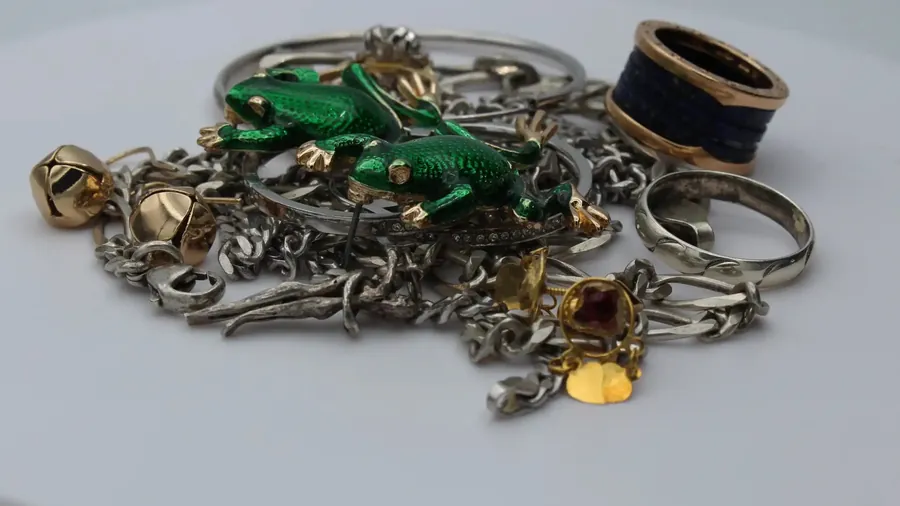
Every piece of jewellery carries a hallmark: 333, 585, 750 or 999 stand for the gold share in thousandths. A ring of 8 grams with the 585 mark contains 4.68 grams of fine gold. At a gold price of €87 a gram that is a material value of €407. Stones, steel clasps and watch movements are deducted; milinia’s gold calculator does this calculation for you. Without a hallmark a buyer tests with acid or X-ray fluorescence.
What buyers pay
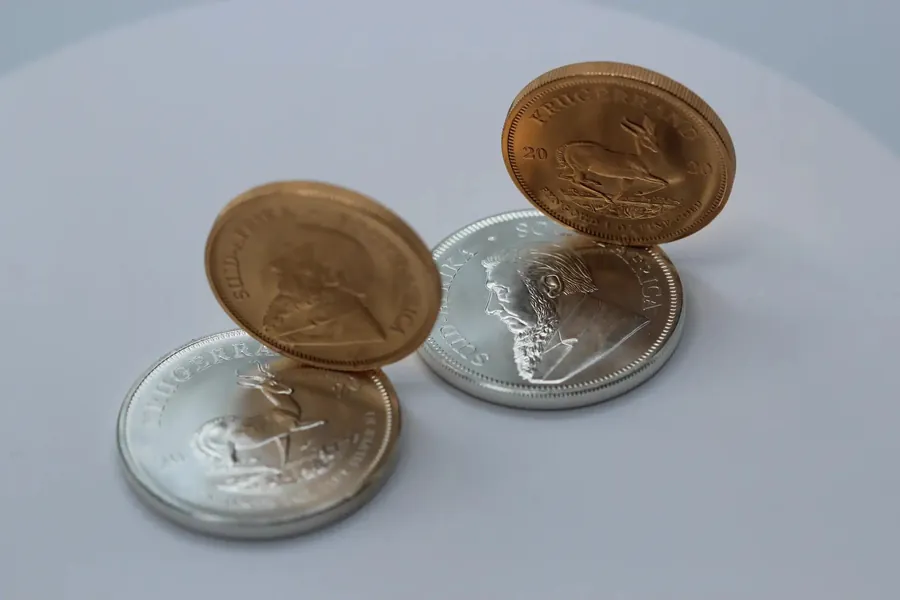
Buyers melt scrap gold and sell it to refineries. Their margin lies between 5 and 15 percent of the fine gold value. Reputable offers therefore name 85 to 95 percent of the material value. For intact bullion coins and bars it is 97 to 99 percent because they are not melted. Branded jewellery in good condition often fetches a multiple of the material value at jewellers or auction houses; melting it is a mistake.
Dental gold
Dental alloys contain 50 to 75 percent gold depending on age, plus platinum, palladium and silver, which are valuable too. A reputable buyer analyses the alloy and pays for all precious metals; a disreputable one pays a flat rate at the lowest gold content. Teeth and plastic need not be removed; they are deducted when weighing.
How to spot disreputable buyers
Hotel buying events with time pressure, a price per gram without stating the fineness, weighing without a calibrated scale, offers below 80 percent of the fine gold value, cash without a receipt, buying without ID (anti-money-laundering law requires it above €2,000), pressure to close immediately. A reputable buyer weighs in front of you, states fineness and the current gold price, gives the offer in writing and lets you take your time.
How a good sale runs
Sort by fineness, pre-weigh at home with a kitchen scale, calculate the material value. Get two offers, one in person, one online with insured shipping and free return. Compare in percent of the fine gold value, not in euros, because the gold price moves daily. Sell when the price is right, not when someone pushes. The proceeds are tax-free if you owned the gold for more than a year; for inherited pieces always.
What you should not sell
Antique jewellery, signed pieces, watches with gold cases, coins with collector value. Here the material value is the floor, not the price. An appraisal at a jeweller or auction house costs little and prevents a piece worth €3,000 from being melted for €300.
Try it yourself
Gold CalculatorWeight, fineness, gold price: the material value of jewellery, bars and coins, also as a buying range.Frequently asked questions
Do I have to pay tax on selling scrap gold?
No, if you owned the gold for more than a year or inherited it. Below that a threshold of €1,000 of gain a year applies.
Do I need purchase receipts?
Not for the sale. The buyer requires your ID and documents the transaction, nothing more.
What about gold-plated jewellery?
Plating contains only a few thousandths of a gram of gold. Such pieces are worthless for buying even if they look golden.
Share